The Grid as a Garden
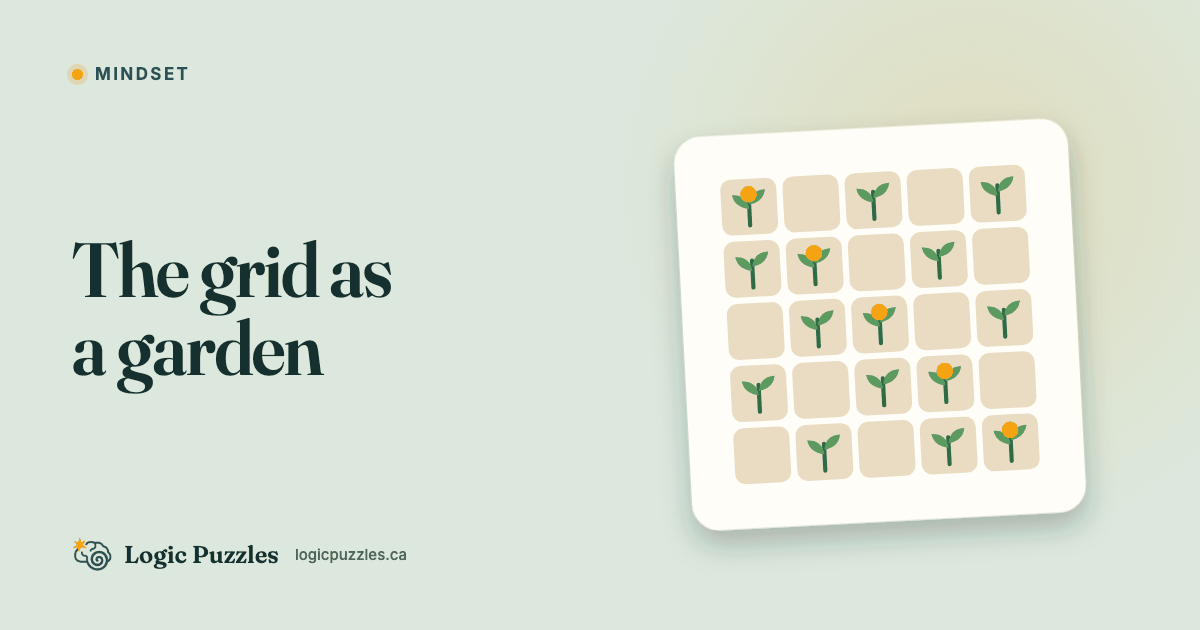
A puzzle is not a battlefield to conquer. It is a garden to tend — a space where patience, attention, and care produce something orderly and beautiful from an initial tangle of possibilities.
Read More →Dive into our world of puzzle creation, game development insights, and the joy of problem-solving.
A puzzle is not a battlefield to conquer. It is a garden to tend — a space where patience, attention, and care produce something orderly and beautiful from an initial tangle of possibilities.
Read More →We treat being stuck as a problem to escape. But the stuck moment — the pause before insight — is where the deepest learning happens. Being stuck is not the obstacle. It is the work.
Read More →Logic is a language, and like any language, it must be practiced to become fluent. Puzzles are the conversation that makes you fluent in reasoning.
Read More →A logic puzzle demands your full attention. Not yesterday, not tomorrow — right now, this cell, this constraint. Puzzles are one of the few activities that reliably pull you into the present.
Read More →In a world of endless feeds and infinite content, there is something radical about finishing. A completed puzzle is a rare thing: a task with a definite end.
Read More →The best puzzle solvers do not think about one thing at a time. They think in layers — holding multiple constraints, multiple possibilities, and multiple levels of reasoning simultaneously.
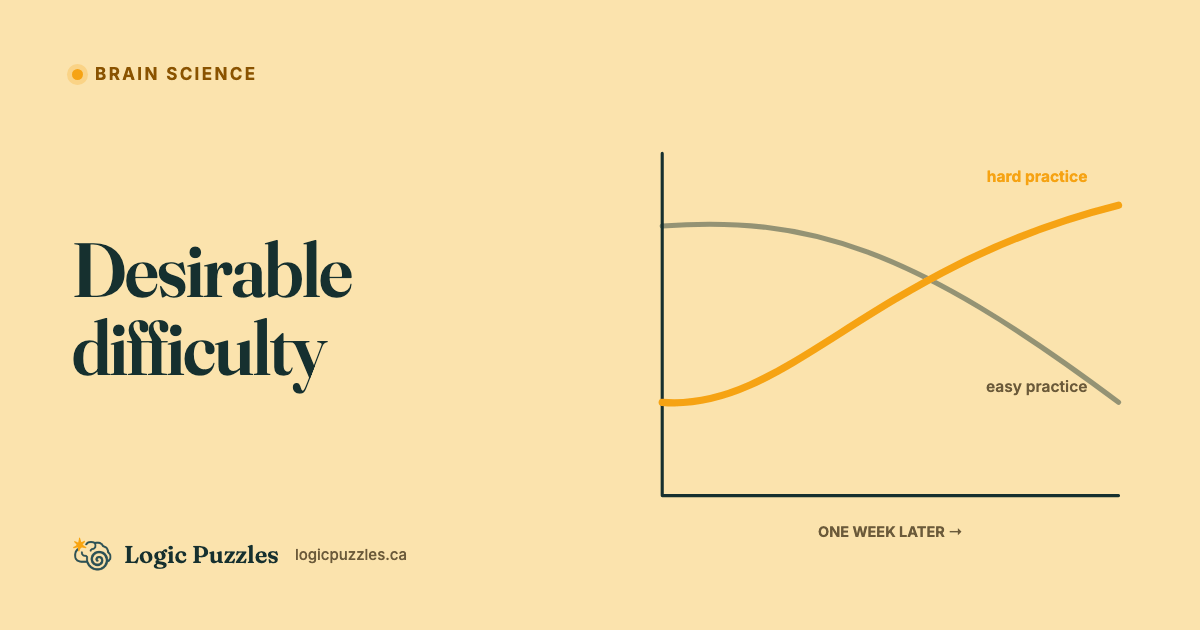
Read More →Difficulty is not the enemy of enjoyment. It is the source of it. The puzzles that challenge us most are the ones that satisfy us most deeply.
Read More →Restarting a puzzle is not failure. It is the decision to approach a problem fresh, unencumbered by mistakes you have already learned from. Starting over is its own skill.
Read More →We think of constraints as limitations. But in puzzles and in life, the right constraints do not restrict creativity — they enable it by narrowing the infinite to the possible.
Read More →Every puzzle reflects your thinking back to you — your habits, your shortcuts, your blind spots. Solving is not just logic. It is self-observation.
Read More →A puzzle grid is a simplified model of a complex logical space. Puzzles train us to build good mental models, test them, and revise them when they fail.
Read More →Each cell you solve in a puzzle makes the next one slightly easier. This compounding mirrors life: small daily wins accumulate into something much larger than any individual effort.
Read More →The best puzzle solvers do not rush. They pause. They scan. They let the grid breathe. The deliberate pause before acting is where real thinking happens.
Read More →An empty cell in a puzzle is not nothing — it is potential. It holds every possible value until logic narrows it to one.
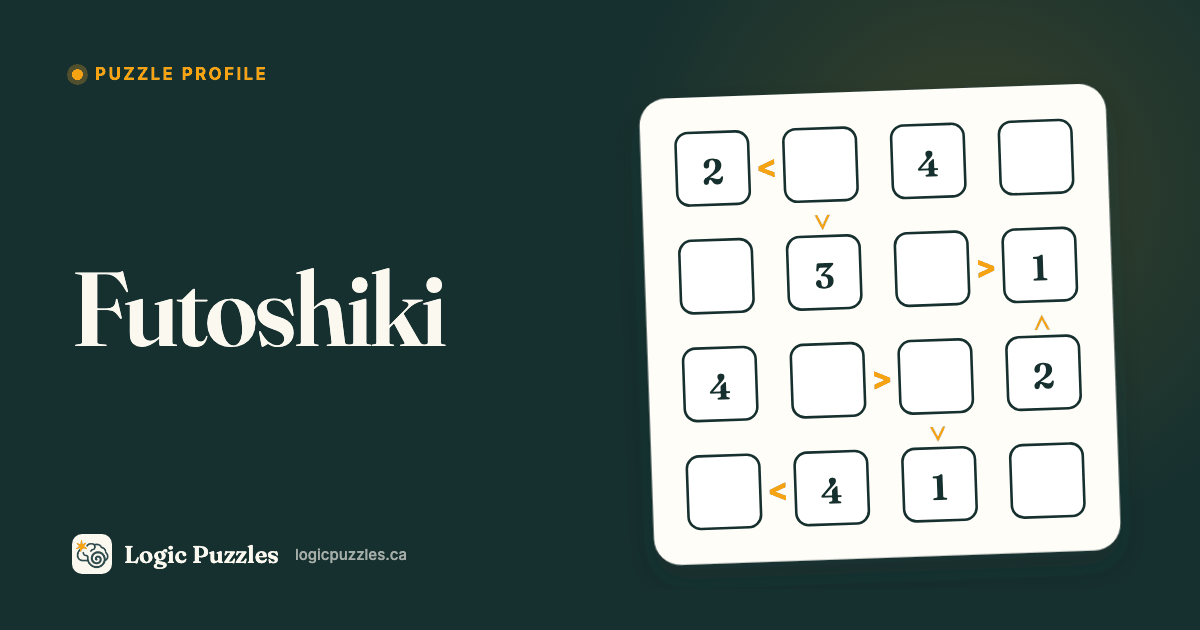
Read More →No one needs to solve a Sudoku. There is no reward, no practical output, no one waiting for the answer. So why do millions of people do it every day?
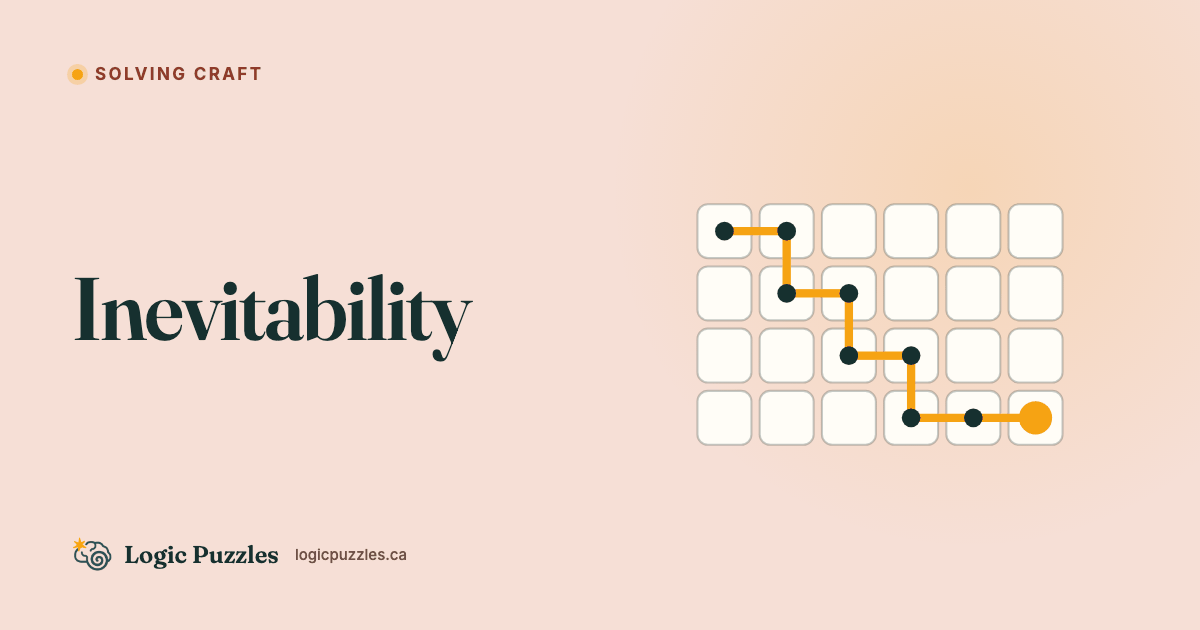
Read More →The most beautiful puzzles are the ones where the solution feels inevitable in retrospect — not obvious, but the only way it could have ever been.
Read More →We treat patience as a character trait you either have or you do not. Puzzle solvers know it is something you practice.
Read More →We romanticize the flash of insight, but breakthroughs are built incrementally — one small step at a time.
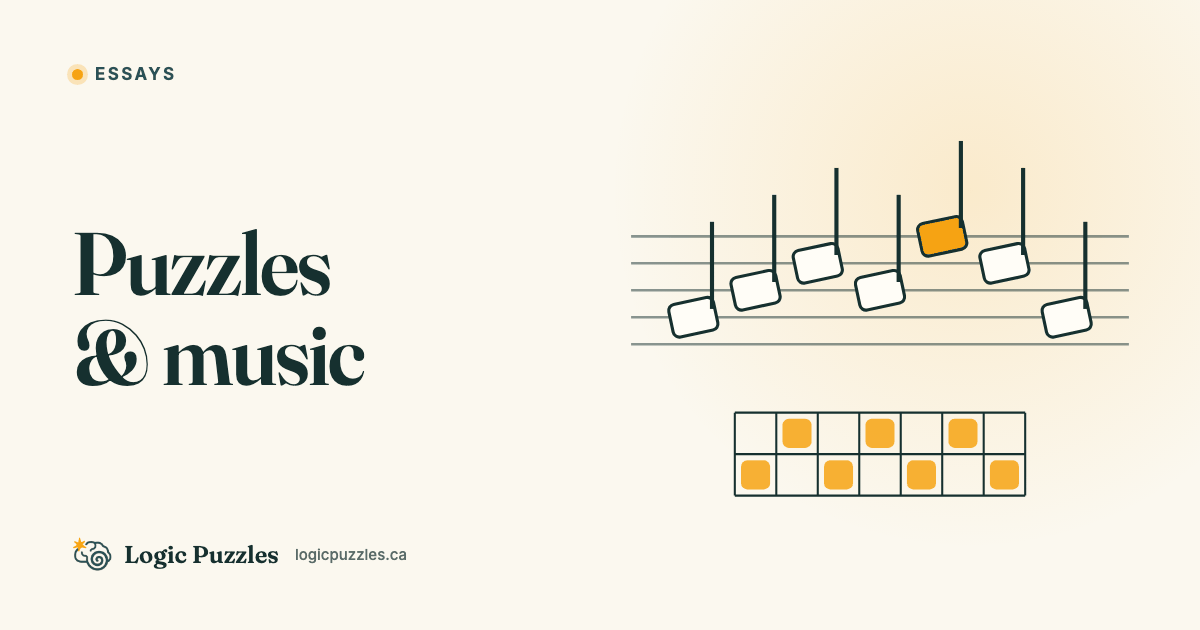
Read More →Both puzzles and music create tension and resolution — and both reward patience with moments of deep satisfaction.
Read More →Multitasking is a myth. In a world of split attention, the ability to do one thing at a time is becoming a superpower.
Read More →When millions of people solve the same daily puzzle, they participate in a collective ritual — a digital campfire we all gather around.
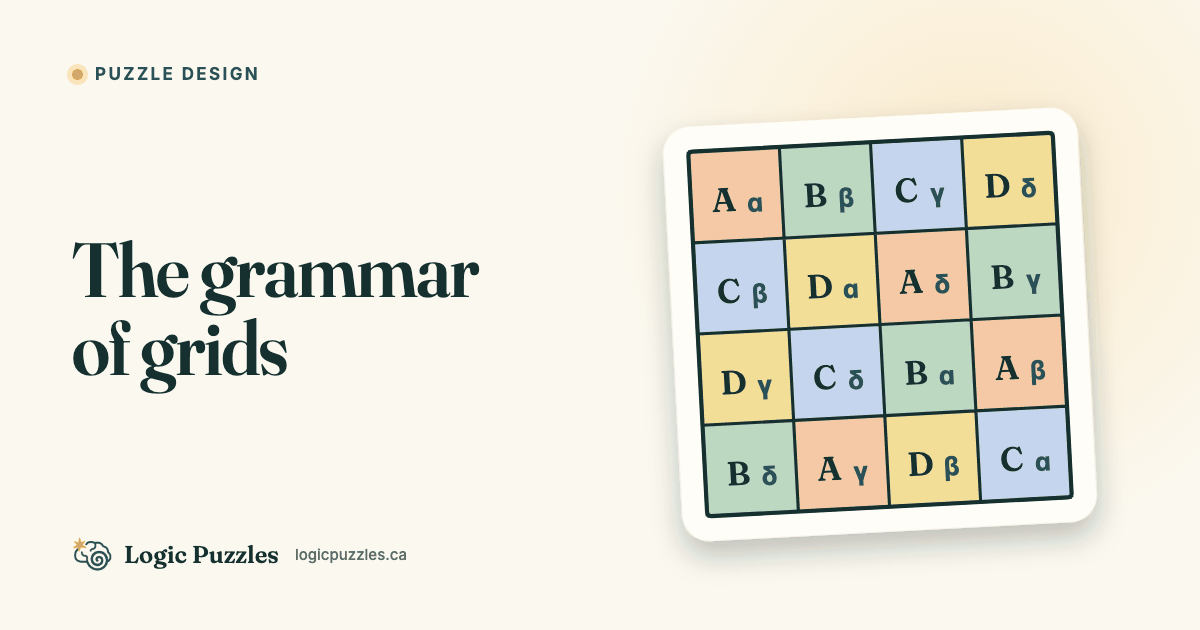
Read More →Puzzle grids have their own visual language — a syntax of rows, columns, and regions that anyone in the world can read without speaking a word.
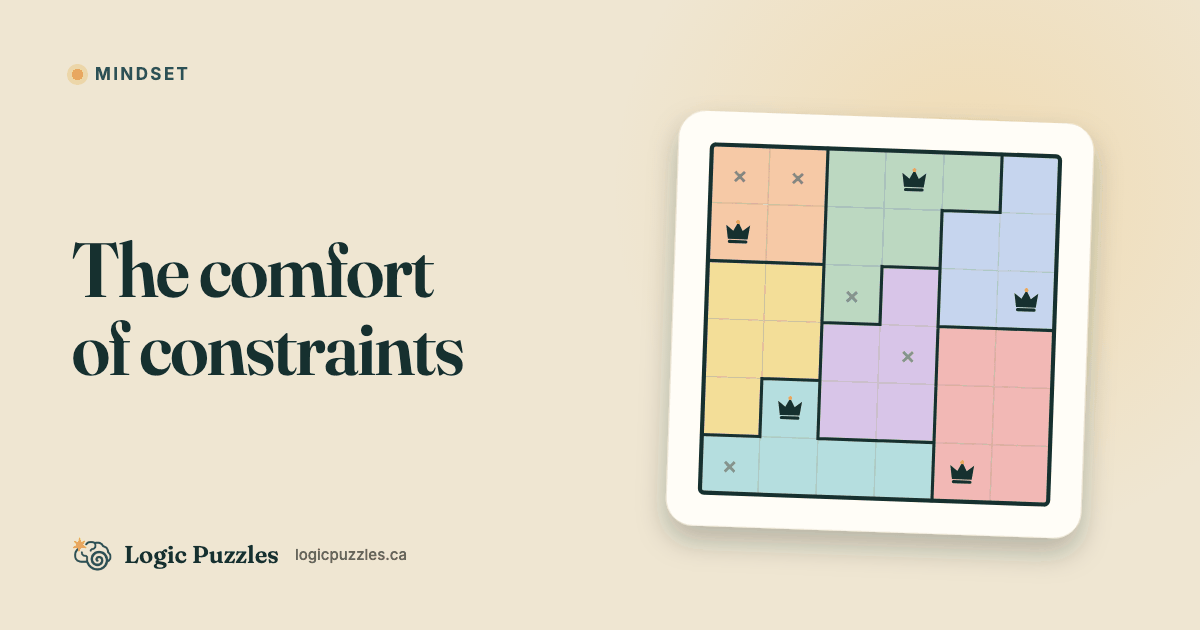
Read More →Freedom sounds appealing until you have too much of it. Logic puzzles reveal why limits are not obstacles — they are what make thinking possible.
Read More →AI promises to help us do more with less. So why does it feel like we are working more than ever?
Read More →Every number you place in a logic puzzle is not a guess. It is a proof. And that feeling of certainty is rarer than you think.
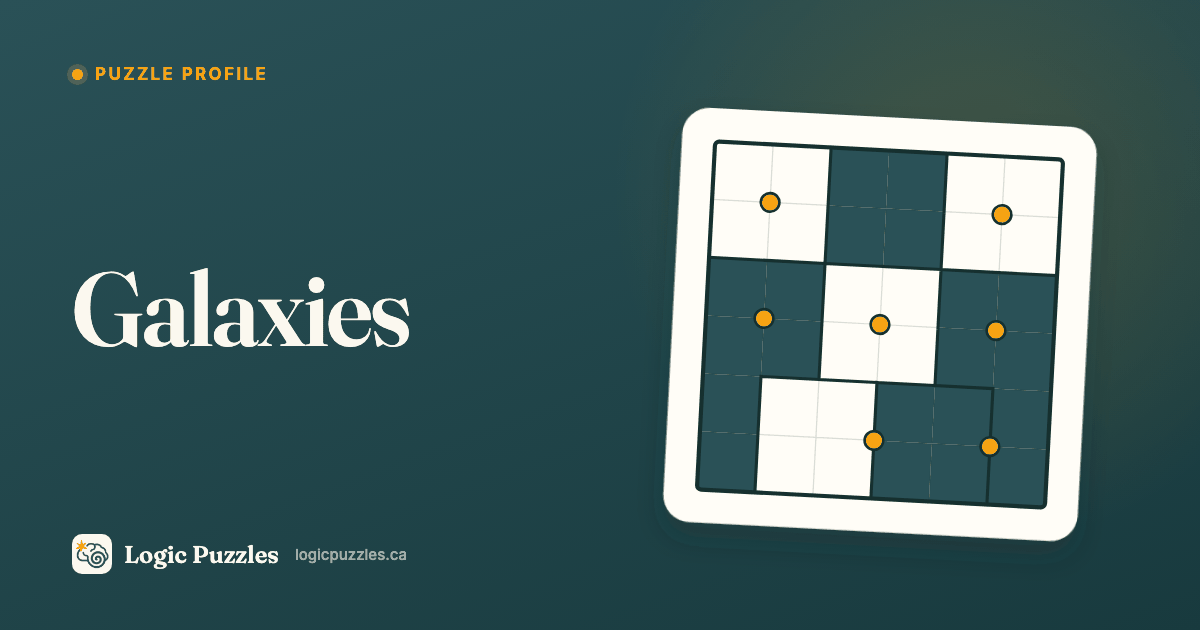
Read More →Galaxies, atoms, and Sudoku grids have more in common than you think. The universe runs on constraints — and so do the best puzzles.
Read More →The more puzzles you solve, the more your brain learns to spot hidden structures — and that skill transfers far beyond the grid.
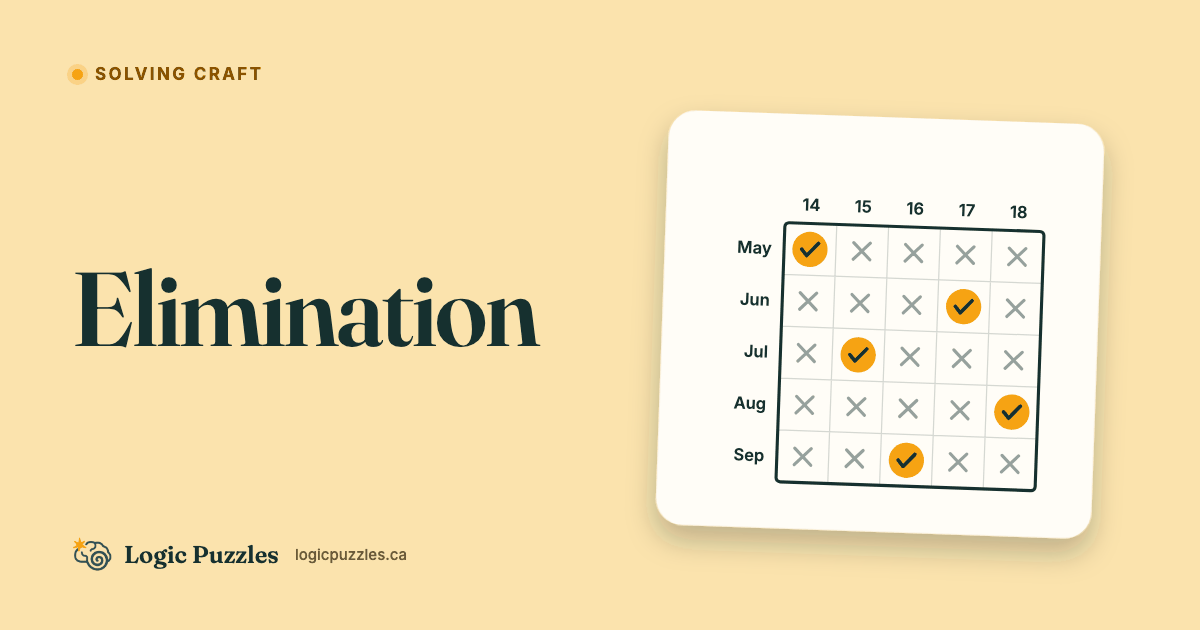
Read More →The most powerful move in a logic puzzle is not placing the right answer. It is crossing out what cannot be true.
Read More →In a world built for speed, logic puzzles ask you to do something radical: take your time.
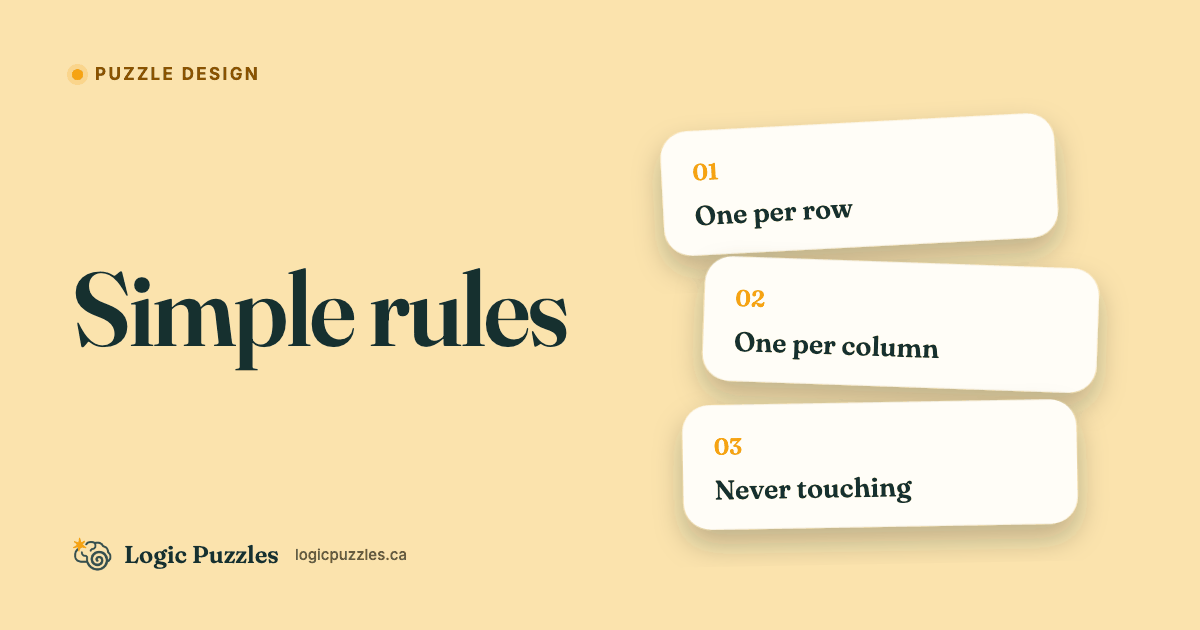
Read More →The best logic puzzles are not the ones with the most rules. They are the ones where a handful of constraints create surprising depth.
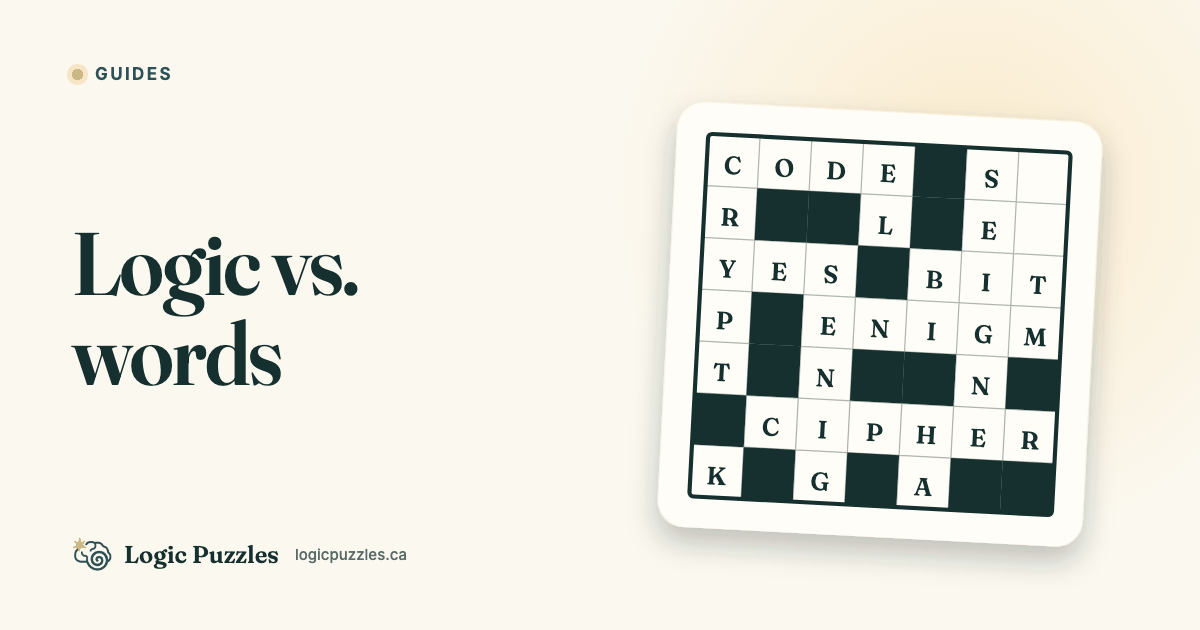
Read More →Crosswords and Sudoku both call themselves puzzles, but they exercise different mental muscles. Here is how to choose.
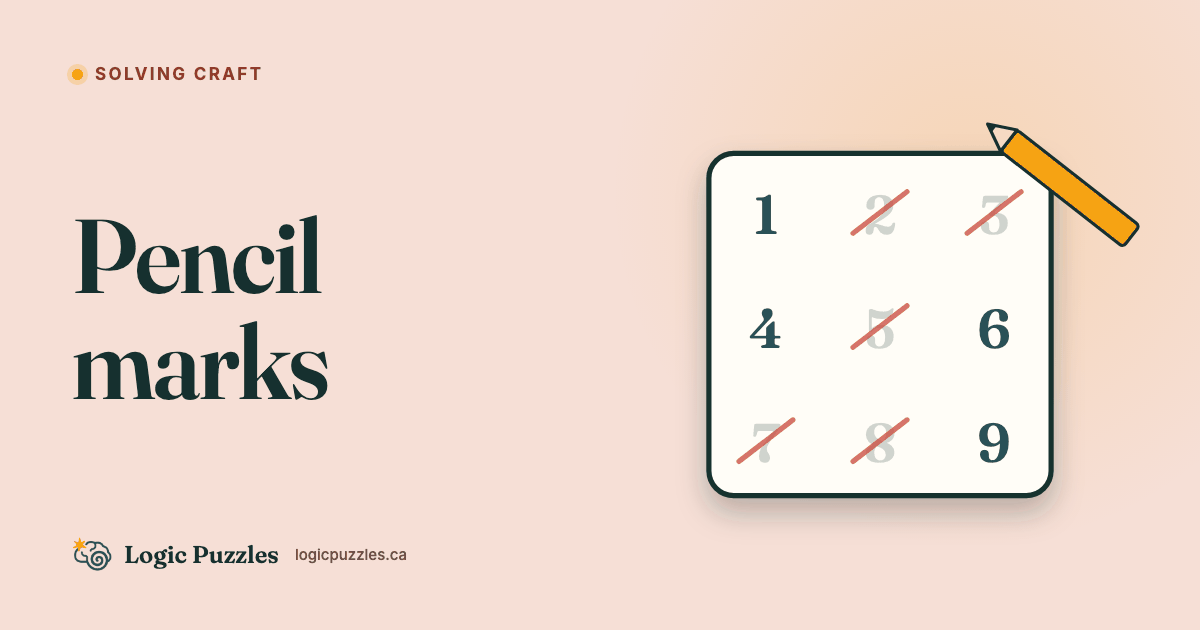
Read More →The difference between struggling and solving often comes down to notation. Here is how experts keep track of what they know.
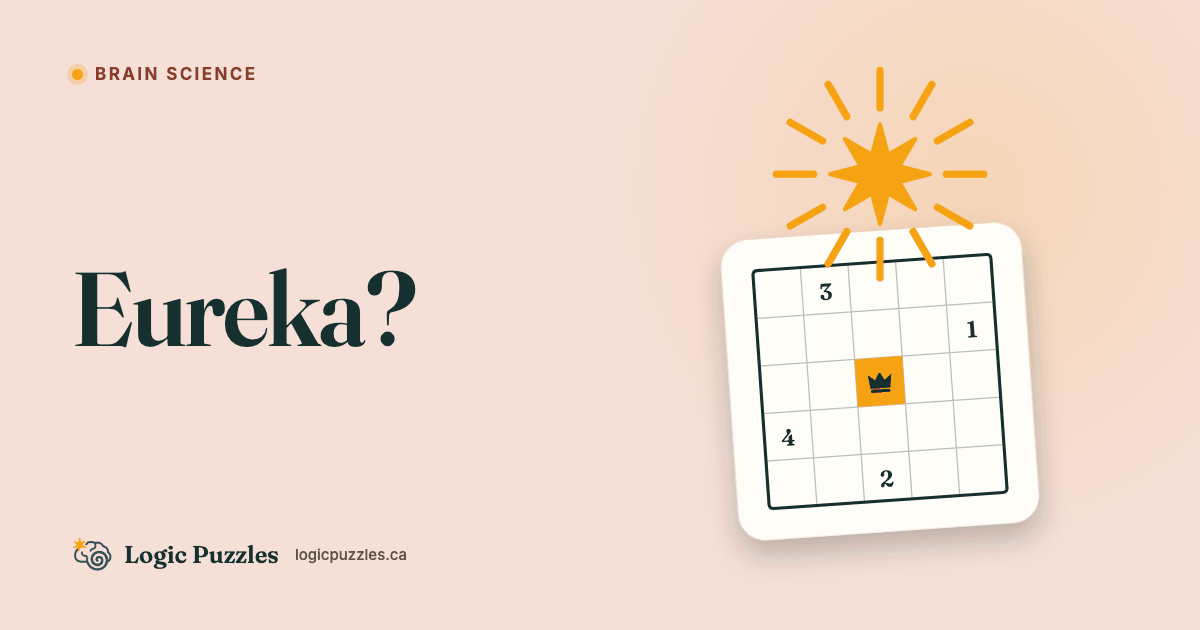
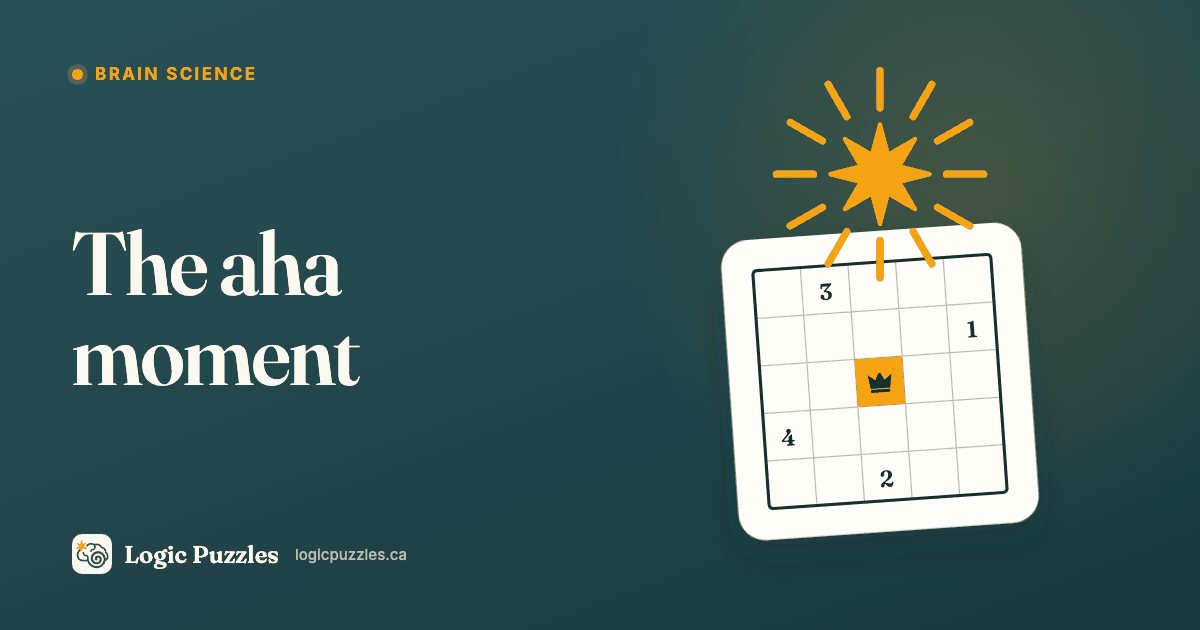
Read More →That sudden flash of insight when a puzzle clicks is more than just satisfying — it is your brain at its best.
Read More →
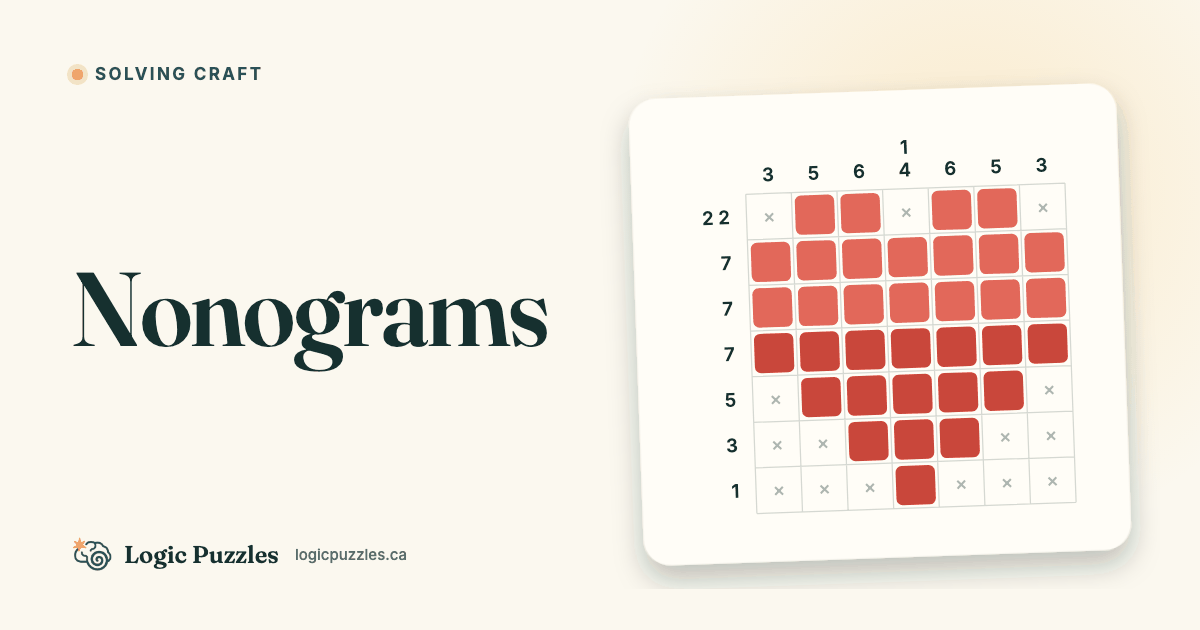
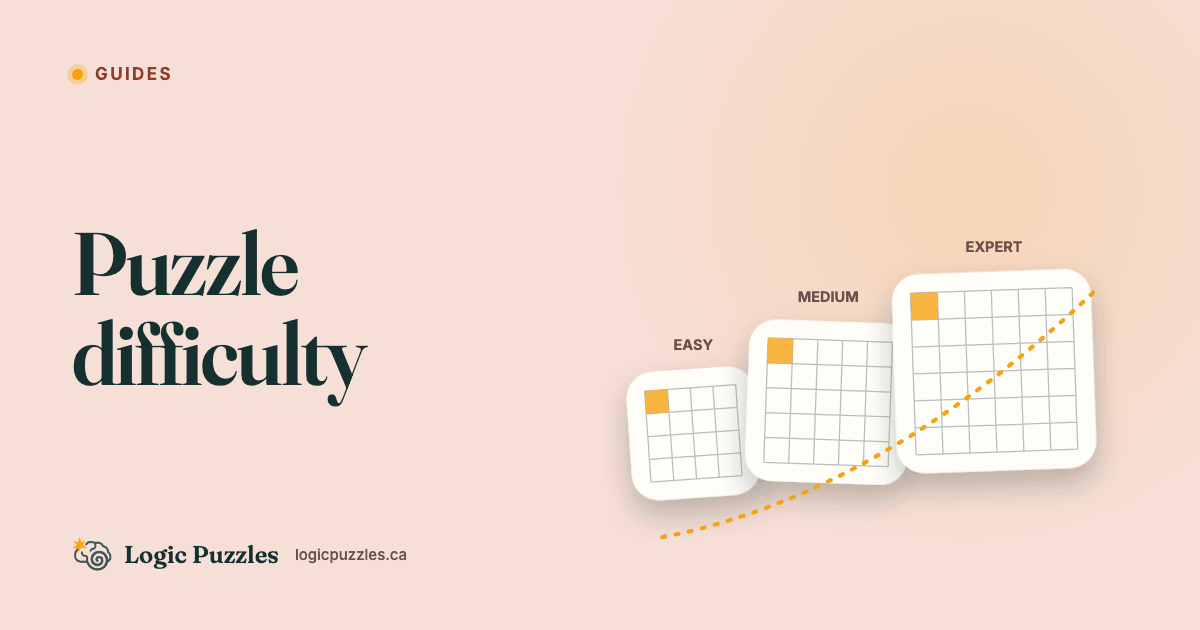
Difficulty is more than grid size. Learn what makes a puzzle harder and how to pick the best level for your mood.
Read More →
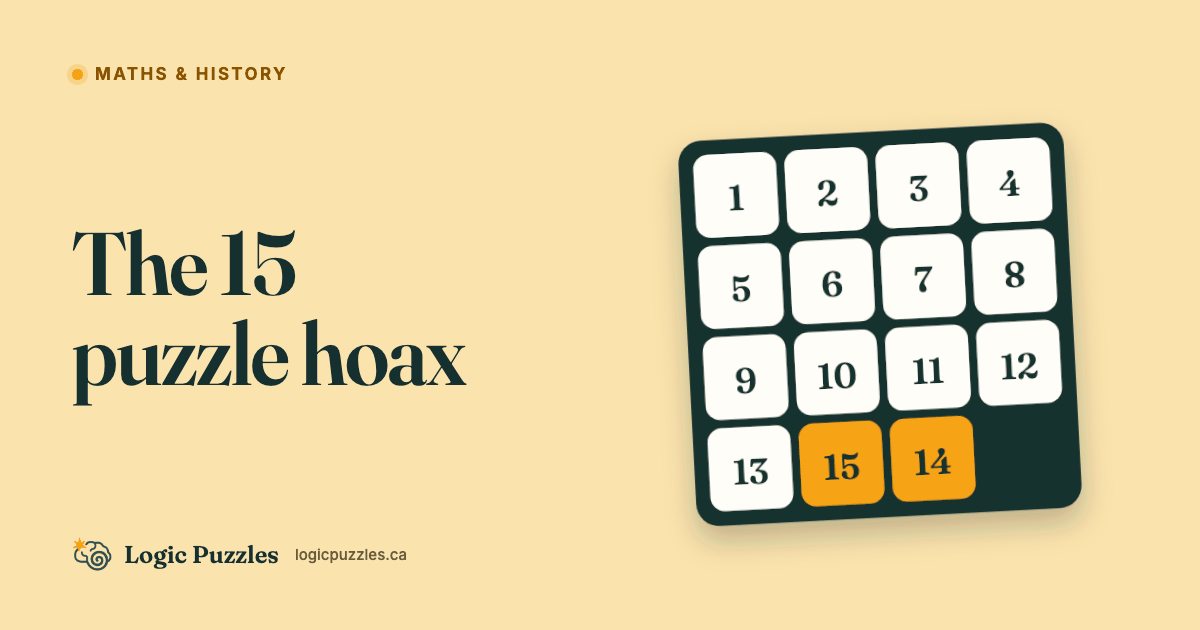
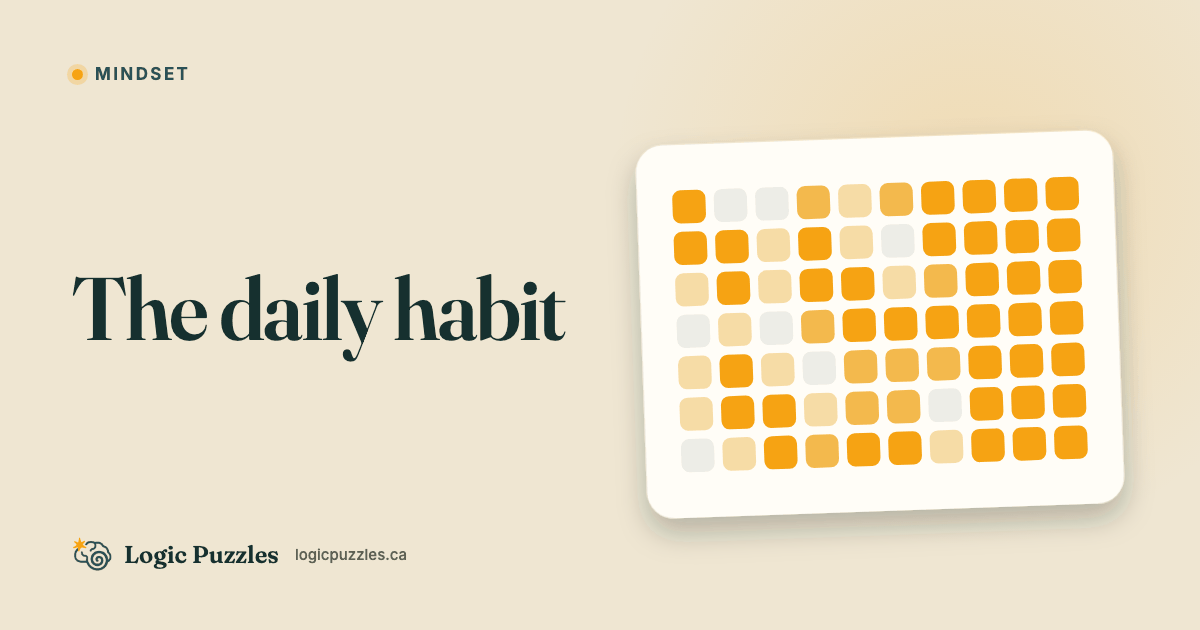
Small routines beat big bursts. Here is a practical, low-friction way to turn puzzle solving into a daily ritual.
Read More →
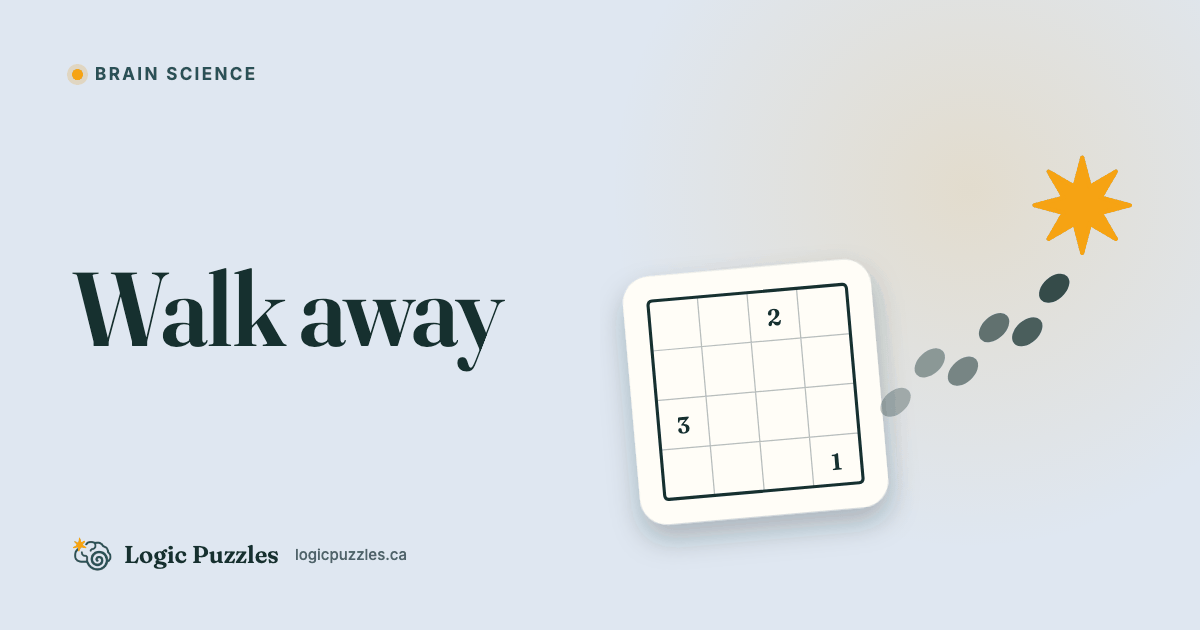
A behind-the-scenes look at the checks, tests, and design rules we use to guarantee fair, satisfying logic puzzles.
Read More →
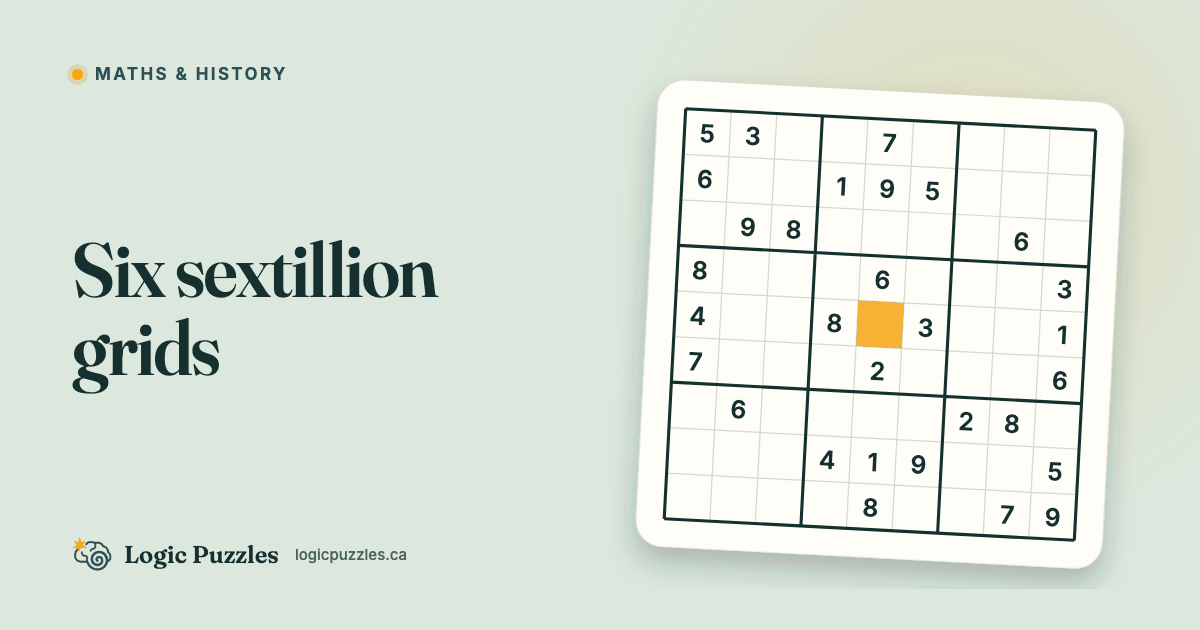
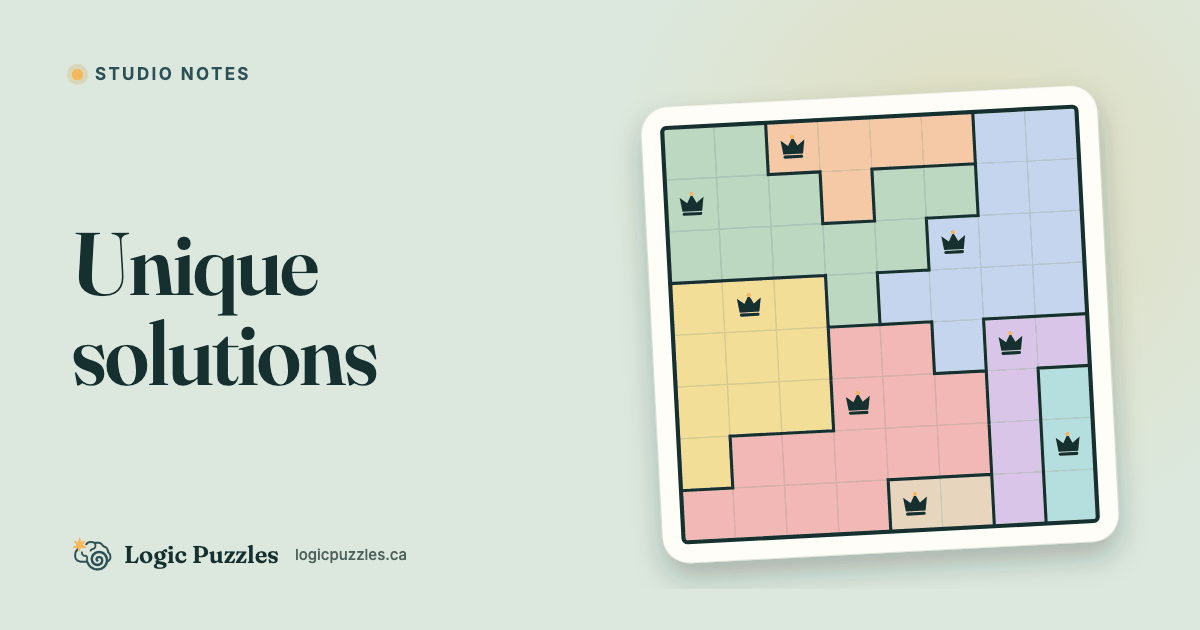
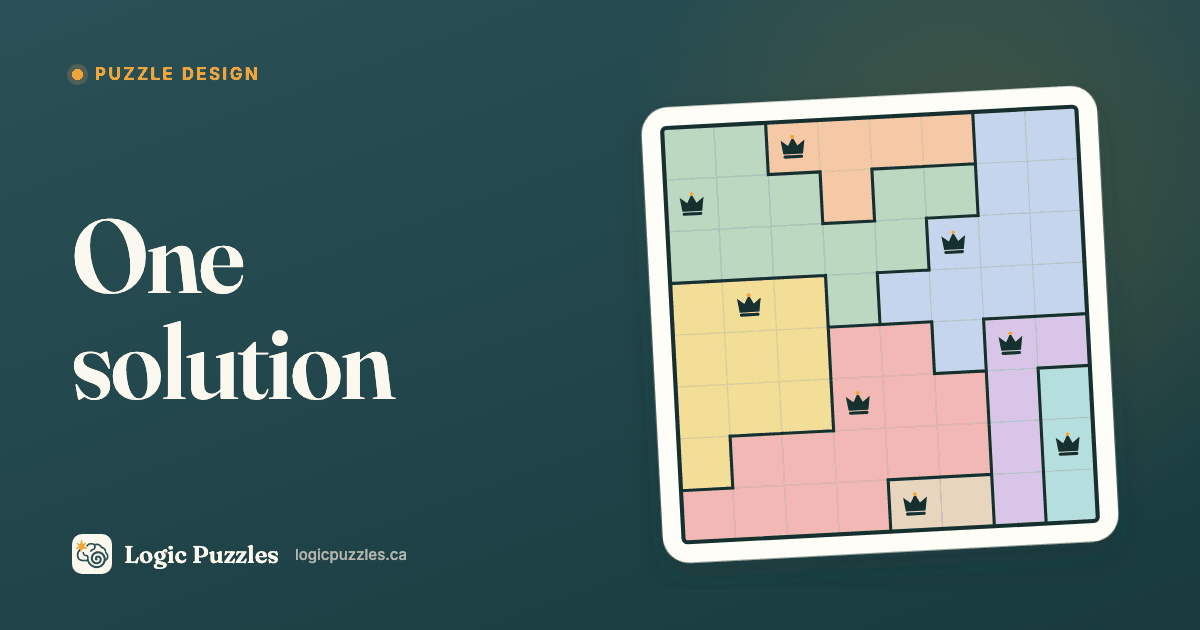
A single valid solution makes puzzles fair, teachable, and satisfying. Here is why uniqueness matters and how designers achieve it.
Read More →
How we built Spooktober for Crowns: a seasonal event with its own leaderboard, bespoke puzzles, and an emoji-first design language that made every deduction feel like a tiny story.
Read More →
We've upgraded our blog! Discover how we're now using a dynamic Markdown-based system for faster, easier content creation and what it means for you.
Read More →
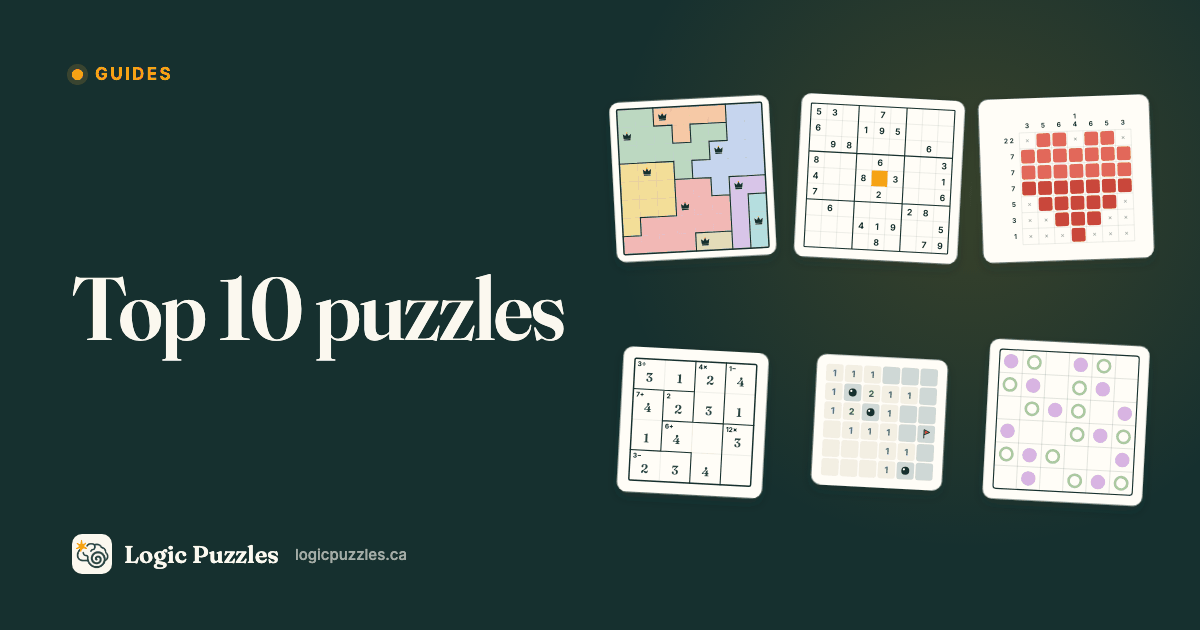
Discover our list of the top 10 logic puzzle games that will challenge your mind, including favorites like The Talos Principle, Baba Is You, and our own unique offerings.
Read More →
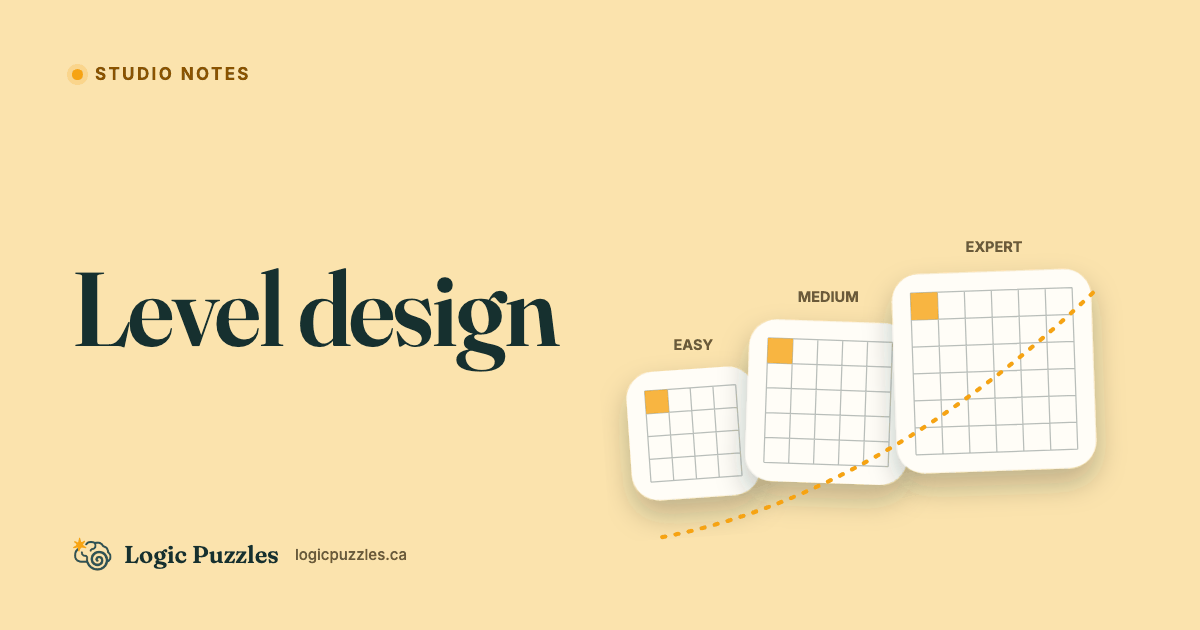
Creating engaging and well-balanced levels for logic puzzle games is both an art and a science. Whether you're designing levels for Sudoku, Binary Sudoku, or other logic puzzles, these key considerations will help you craft experiences that challenge and delight players.
Read More →
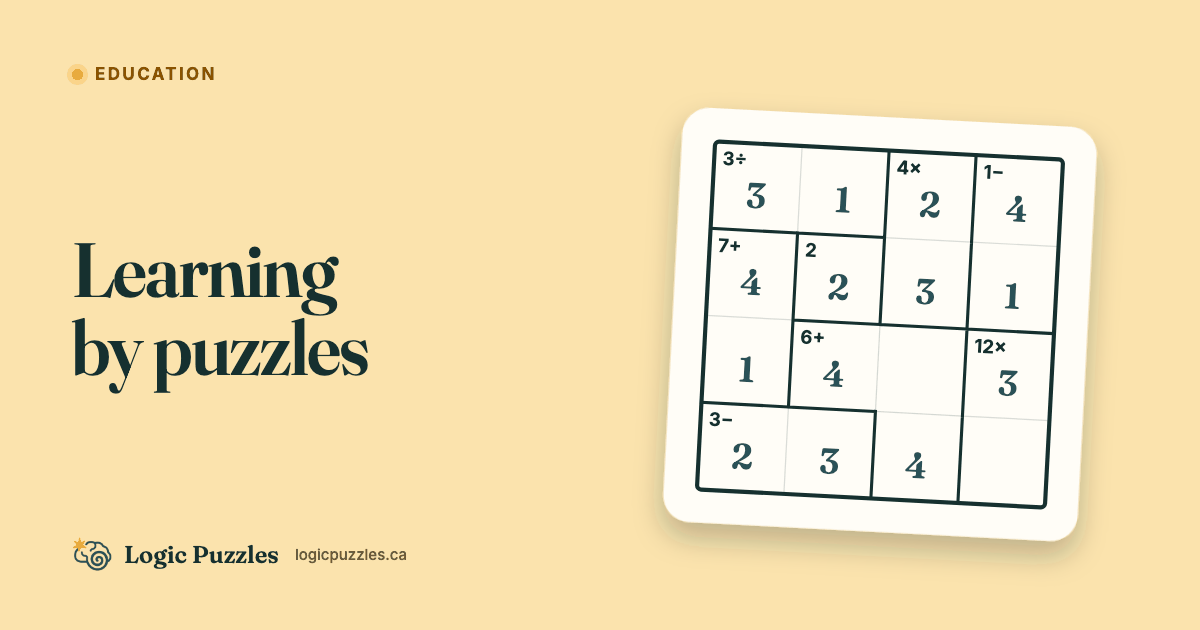
Explore how puzzle games are transforming education and why they should be part of every learning toolkit.
Read More →
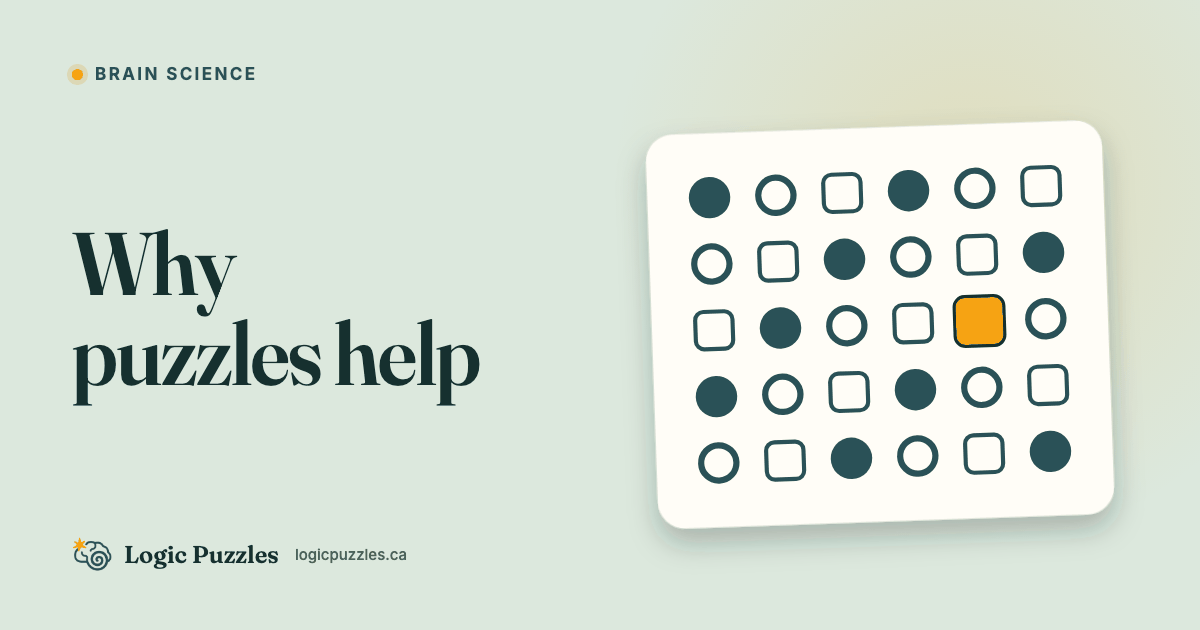
Discover the science-backed cognitive benefits of incorporating puzzle games into your daily routine.
Read More →
Meet our latest puzzle game that challenges players to create perfect symmetry through strategic tile placement.
Read More →
Discover the fascinating world of puzzle design and how we craft engaging challenges that captivate players minds.
Read More →
We're excited to announce the release of Aquarium, our latest logic puzzle game that challenges players to solve water-filling puzzles.
Read More →